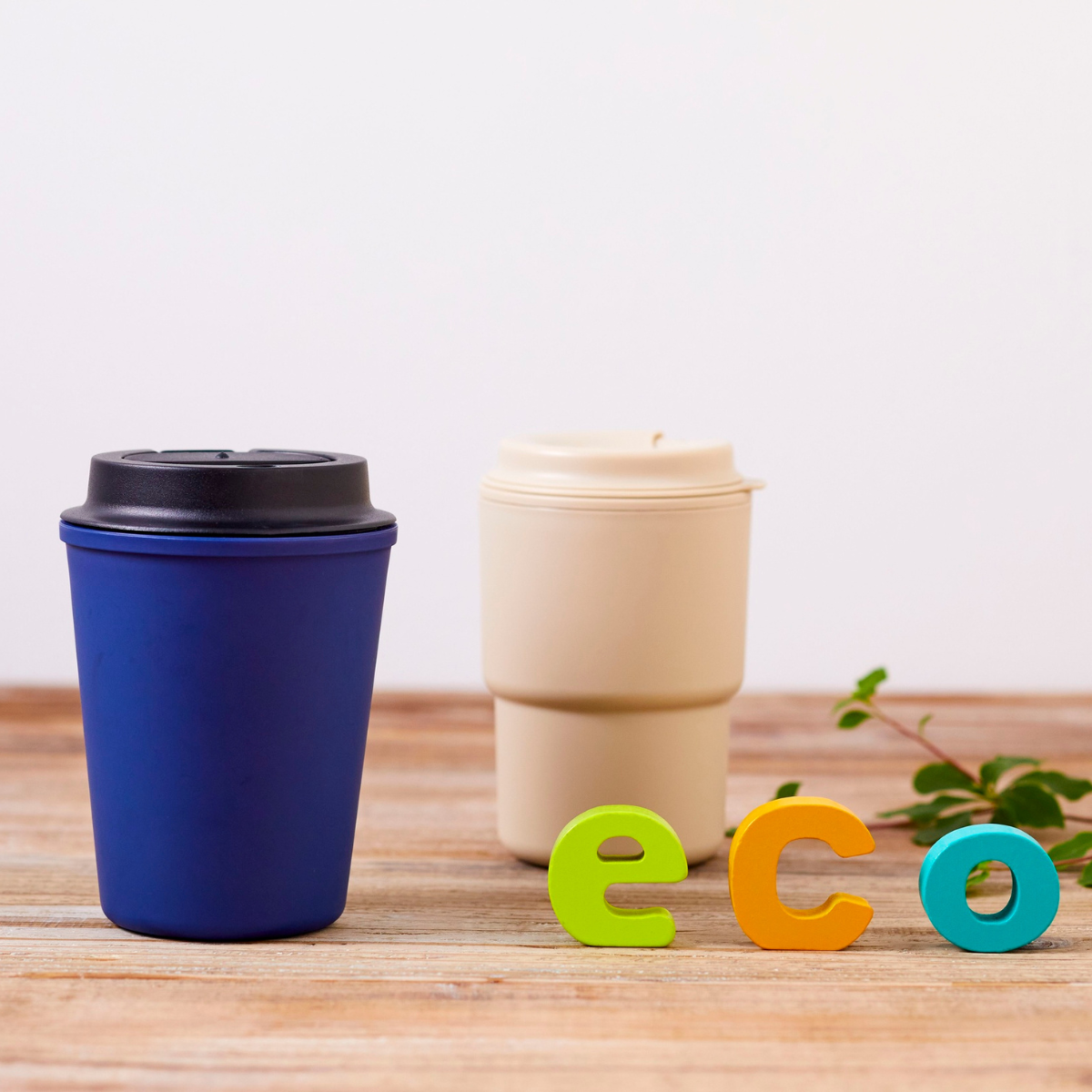
Single-use takeaway cups have become a daily convenience for coffee lovers around the world. Yet, the environmental impact of disposable cups is now widely recognized. Billions of cups are thrown away every year, and most of them end up in landfills because they are difficult to recycle. As more people look for practical ways to reduce everyday waste, reusable coffee cups have emerged as a simple and effective solution.
Why Reusable Coffee Cups Matter
The shift to reusable cups is more than a trend. It reflects a broader commitment to environmental responsibility. Here are a few important points that highlight their relevance:
-
Disposable cups are often made from a mix of paper and plastic, making recycling challenging.
-
Many cups end up polluting oceans, rivers, and natural environments.
-
Reusable cups reduce waste with every refill.
-
Many cafes encourage the use of sustainable alternatives.
For everyday coffee drinkers, carrying a reusable cup can be a simple step toward supporting a greener future.
Benefits of Reusable Coffee Cups
Reusable coffee cups offer several practical and environmental advantages:
-
Reduced Waste
Each time a reusable cup replaces a disposable one, less trash is generated. -
Cost Savings in Some Locations
Some cafes offer small discounts to customers who bring their own cup. -
Better Temperature Control
Many reusable cups retain heat longer and prevent burns. -
Customization and Comfort
Users can choose the size, style, and design that suits their lifestyle. -
Durability
Reusable cups can last for years when cared for correctly.
Limitations to Be Aware Of
While reusable cups offer clear benefits, they are not perfect:
-
They require cleaning after each use.
-
If forgotten, users may resort again to disposable cups.
-
Some materials may retain smells or stains over time.
-
Improper sealing can lead to spills when traveling.
Understanding these limitations helps people choose a design that fits their habits.
Types of Reusable Coffee Cups
Reusable cups come in various materials and formats. Each option has strengths based on how and where you typically enjoy your drink.
Common Material Types
| Type | Advantages | Considerations | Best For |
|---|---|---|---|
| Stainless Steel | Excellent insulation, durable, long-lasting | Usually heavier, can be expensive | Commuters and outdoor use |
| Glass | Great taste experience, recyclable, stylish | Breakable, may get hot | Office or indoor environments |
| Bamboo Fiber | Lightweight, biodegradable components | Not always dishwasher-safe, coating may wear over time | Casual everyday use |
| Plastic (BPA-free) | Affordable, lightweight | May absorb smells over time | Students or occasional use |
| Ceramic | Traditional feel, aesthetic | Fragile, often less spill-proof | Home or short local trips |
Popular Lid and Seal Types
-
Screw lids: secure for walking or commuting.
-
Press-fit lids: convenient for quick use.
-
Flip or slide openings: help prevent spills.
-
Leak-proof seals: useful during travel or bag storage.
Sizes and Compatibility
Reusable cups often come in standard barista-friendly sizes. Some specifically fit under espresso machines or inside cup holders, making them flexible for takeaways.
Latest Trends and Innovations
Reusable coffee cups continue evolving with new technology and designs.
-
Cups made from recycled materials, including spent coffee grounds.
-
Smart temperature-regulating cups for better heat control.
-
Collapsible silicone cups that fold flat for easy carrying.
-
Modular designs with replaceable parts to extend product lifespan.
-
Improved leak-proof mechanisms for travelers and commuters.
These innovations aim to make sustainable choices more convenient and user friendly.
Key Features to Consider
Selecting the right cup involves more than choosing a color or design. Below is a checklist to guide thoughtful decisions:
Design and Comfort
-
Does it feel good to hold?
-
Is the lid easy to open and close?
-
Will it fit in a bag or car cup holder?
Heat Retention
-
Do you want your drink to stay warm for hours?
-
Double-walled insulated cups can offer better temperature control.
Weight and Portability
-
Lightweight materials are easier to carry daily.
-
Collapsible options help save space.
Durability
-
Stainless steel and high-quality glass are long-lasting choices.
-
Avoid materials that may crack or degrade quickly.
Cleaning and Maintenance
-
Is it dishwasher safe?
-
Are there small parts that require careful cleaning?
Spill and Leak Resistance
-
Important for commuters or people who travel with their drink.
-
Check lid sealing and locking mechanisms.
Eco-Impact
-
Look for sustainable material options.
-
Consider products with replaceable parts to reduce waste long-term.
Here is a quick comparison guide:
| Feature | High Priority For |
|---|---|
| Insulation | Long commutes or slow drinkers |
| Lightweight | Daily commuting and portability |
| Strong seals | Traveling or carrying in bags |
| Aesthetic design | Home, work, and style preference |
| Dishwasher-safe | Fast and easy maintenance |
Notable Companies and Common Market Leaders
While availability varies by region, the reusable cup market includes several recognized names that focus on durability and sustainability. Some companies offer stainless steel insulated designs, while others emphasize simple and lightweight solutions. Many brands provide a wide range of sizes and styles to meet user needs.
Examples of popular reusable cup manufacturers include:
-
Brands known for insulated stainless steel options, often used by commuters and outdoor enthusiasts.
-
Well-known companies producing glass cups with protective sleeves for improved handling.
-
Manufacturers of collapsible cups that fold for compact storage.
-
Traditional drinkware brands that have introduced ceramic-based travel cups.
It is helpful to compare options based on features rather than a specific brand name, because product lines vary widely.
How to Choose the Right Reusable Coffee Cup
Finding the best reusable cup depends on personal preferences and daily routines. Here are practical selection tips:
1. Consider Your Daily Coffee Habit
Ask yourself:
-
Do you typically drink at home or on the go?
-
How long do you take to finish your drink?
-
Do you rely on drive-throughs or coffee shop refills?
2. Think About Cleaning Convenience
Some users prefer dishwasher-safe materials, while others are comfortable with handwashing. The easier the cup is to maintain, the more likely it will be used regularly.
3. Choose a Comfortable Size
Reusable cups often mirror common coffee shop sizes, but choose one that matches your usual drink volume so it feels familiar.
4. Evaluate Safety and Material Quality
Look for:
-
BPA-free materials
-
Designs that minimize spills
-
Products made from food-safe components
5. Test Ergonomics if Possible
A comfortable grip, stable base, and secure lid greatly improve user experience.
Here is a sample decision checklist:
| Question | Yes | No |
|---|---|---|
| Do I need my drink to stay hot for more than 1 hour? | ||
| Will I carry the cup in a bag often? | ||
| Do I want something lightweight? | ||
| Do I prefer dishwasher-safe cleaning? | ||
| Do I need a cup that fits under a coffee machine spout? |
Answering these questions helps narrow down options efficiently.
Tips for Best Use and Maintenance
To get the most value from a reusable coffee cup:
-
Rinse soon after use
Prevent lingering odors and stains by rinsing quickly when done. -
Deep clean regularly
Wash all parts, including lids and seals, to avoid residue buildup. -
Avoid very hot liquids in cups not designed for high temperatures
Check product guidelines for safety. -
Keep spare seals if available
Replacing worn-out parts can extend the life of the cup. -
Store with lid open
Allowing airflow prevents trapped moisture and odors. -
Know your environment
Some workplaces or travel locations may require extra leak protection.
By maintaining your cup well, you reduce replacement needs and maintain hygienic use.
Frequently Asked Questions
Are reusable coffee cups truly better for the environment?
Yes, particularly when used consistently. The more times a reusable cup replaces a disposable cup, the greater the environmental benefit. Lifetime use matters.
How many uses does it take to offset environmental production impact?
This can depend on the material. On average, a reusable cup may need to be used between 20 and 100 times to outweigh the environmental cost of manufacturing.
Can reusable cups be used in coffee shops easily?
Most coffee shops now accept reusable cups. Baristas typically recognize standard sizing and can adjust drinks accordingly.
Are they safe for hot drinks?
Yes, as long as the cup is designed for hot beverages. Some materials like thin plastics may not insulate well and could feel hot to hold.
Do reusable cups leak?
Some are leak-proof, while others are only spill-resistant. Checking lid type and user reviews can help avoid surprises.
Are reusable cups suitable for cold beverages?
Many models work for both hot and cold drinks, especially insulated designs.
Can they go in the dishwasher?
This depends on the material. Always check instructions before washing.
Do they retain flavor?
Glass and stainless steel are less likely to absorb flavor compared to some plastics or bamboo composite materials.
Balanced Perspective: What Users Should Know
Reusable coffee cups are not a universal solution, but they encourage mindful consumption. They reduce the need for disposable products and are most effective when incorporated into everyday habits. Choosing the right material and design can make sustainable living more comfortable and rewarding.
It is also important to acknowledge that the aim is to reduce waste, not replace waste entirely. A reusable cup only makes a difference when regularly used, maintained, and valued over time.
Conclusion: A Practical Step Toward a Greener Routine
Reusable coffee cups represent a small but meaningful lifestyle change. They help reduce waste, support responsible consumption, and provide a better drinking experience. From insulated stainless steel options to elegant glass designs and compact collapsible versions, there is a cup suitable for every preference.
By understanding materials, features, and the best ways to care for them, users can choose a reusable cup that fits effortlessly into daily life. Small habits, repeated often, contribute to a more sustainable future. The next time you grab a coffee, choosing a reusable cup can be a simple action that makes a positive difference.