Orthopedic treatment is a branch of medical care focused on diagnosing, managing, and treating conditions that affect bones, joints, muscles, ligaments, tendons, and the spine. These body structures work together to support movement, maintain posture, and provide stability during everyday activities.
Orthopedic care may be needed after an accident, a sports injury, a bone fracture, or the development of a long-term condition such as arthritis. Treatment varies according to the underlying problem and may include medication, physical therapy, activity modification, supportive devices, or surgery when medically appropriate. The main goals are to manage symptoms, improve mobility, and support physical function.
Common Conditions That Require Orthopedic Treatment
Bone Fractures and Injuries
A bone fracture occurs when a bone breaks because of an accident, a fall, a sports injury, or weakened bone structure. Symptoms may include pain, swelling, bruising, and difficulty moving or putting weight on the affected area. Some fractures require a cast or splint, while others may need surgical treatment to stabilize the bone. Suspected fractures should be medically assessed rather than treated through home remedies alone.
Arthritis and Joint Pain
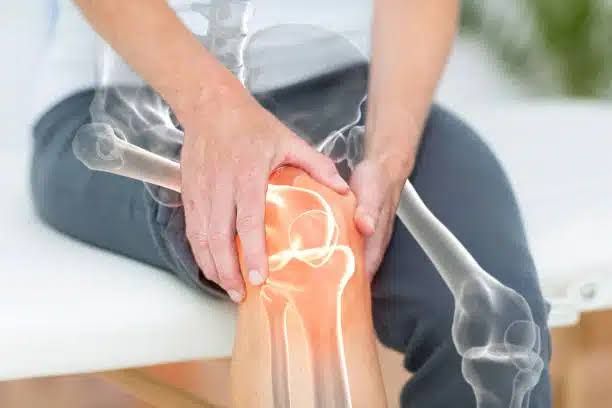
Arthritis refers to conditions that cause inflammation or damage in the joints. Osteoarthritis is a common type in which joint tissues gradually change over time, potentially leading to pain, stiffness, and reduced movement. The knees, hips, hands, and spine are among the areas that may be affected. Orthopedic treatment may include therapeutic exercise, physical therapy, appropriate medication, and, in selected cases, joint replacement surgery.
Back Pain and Spinal Conditions
Back pain can develop from muscle strain, disc problems, age-related changes, injuries, or other medical conditions. Some people experience short-term discomfort, while others have persistent pain that interferes with sleep, work, or daily activities. Orthopedic assessment may help identify the underlying cause and determine whether exercise-based rehabilitation, medication, or additional treatment is appropriate. Back pain accompanied by new bladder or bowel problems, numbness around the groin, or significant leg weakness requires urgent medical evaluation.
Sports Injuries
Sports injuries can affect muscles, tendons, ligaments, bones, and joints. Common examples include ankle sprains, knee ligament injuries, shoulder problems, and muscle strains. Treatment depends on the location and severity of the injury. It may involve temporary activity modification, appropriate support, rehabilitation exercises, or surgery for certain serious injuries. Returning to sports too early may increase the risk of further injury.
Osteoporosis and Bone Weakness
Osteoporosis is a condition in which bones become less dense and more susceptible to fractures. It may develop without obvious symptoms until a fracture occurs. Medical management can include bone-density assessment, appropriate medication, nutrition guidance, and exercises selected for the person's abilities. Orthopedic care may be needed when osteoporosis contributes to fractures, particularly in the hip, wrist, or spine.
Types of Orthopedic Treatment
Non-Surgical Orthopedic Treatment
Non-surgical orthopedic treatment is often considered when a condition can be managed without an operation. Depending on the diagnosis, care may include modifying activities, using a brace or splint, taking prescribed medication, and following a supervised exercise programme. The choice depends on the individual's symptoms, medical history, and the nature of the injury or condition. Not every orthopedic problem requires surgery.
Physical Therapy and Rehabilitation
Physical therapy helps people improve strength, flexibility, balance, coordination, and movement. It may be recommended for back pain, joint stiffness, sports injuries, or recovery following orthopedic surgery. A physiotherapist can develop an exercise programme suited to the person's condition and progress. Rehabilitation goals may include walking more comfortably, regaining joint movement, and returning to everyday activities safely.
Medication and Pain Management
Medication may be used to manage pain and inflammation associated with certain orthopedic conditions. The appropriate option depends on the diagnosis, age, other medical conditions, and medicines already being taken. Some pain relievers can cause side effects or interact with other treatments, so professional guidance is important. Medication can help control symptoms but may not address the underlying cause of every bone or joint problem.
Orthopedic Surgery
Orthopedic surgery involves procedures intended to repair, reconstruct, or replace damaged bones and joints or treat other musculoskeletal problems. Examples include fracture fixation, ligament repair, arthroscopy, spinal procedures, and hip or knee replacement. Surgery may be considered when the condition is severe, structural damage requires repair, or suitable non-surgical treatment has not provided sufficient improvement. The potential benefits, risks, and recovery requirements should be discussed with a qualified orthopedic surgeon.
How Orthopedic Conditions Are Diagnosed
Medical History and Physical Examination
Diagnosis generally begins with a discussion of symptoms, previous injuries, medical history, and daily activities. A healthcare professional may examine the affected area to assess swelling, tenderness, muscle strength, joint stability, and range of motion. These findings help determine whether additional tests are necessary.
Imaging Tests
Imaging tests may be used to examine bones, joints, and soft tissues. X-rays can help identify many fractures and certain joint changes, while magnetic resonance imaging (MRI) can provide detailed images of ligaments, tendons, cartilage, and other structures. Computed tomography (CT) scans may be useful for evaluating complex fractures. The appropriate test depends on the suspected condition and clinical findings.
Laboratory Tests
Blood tests or other laboratory investigations may be recommended when symptoms could be related to infection, inflammatory disease, or another underlying condition. These tests are not necessary for every orthopedic problem, and their use depends on the suspected diagnosis.
Factors That Influence Orthopedic Recovery
Age and General Health
Age, bone strength, muscle condition, nutrition, and existing health conditions can influence healing and rehabilitation. Recovery varies considerably between individuals, even when their injuries appear similar.
Following the Treatment Plan
Following professional instructions about medication, movement restrictions, exercises, and follow-up appointments can support recovery. Patients should avoid increasing exercise intensity or putting weight on an injured limb before receiving appropriate guidance.
Nutrition and Bone Health
A balanced diet provides nutrients needed for normal bone and muscle function. Calcium and vitamin D are important for bone health, while adequate protein supports tissue maintenance and repair. Individual nutritional needs vary, so supplements should not be assumed necessary for everyone.
When Should You Consult an Orthopedic Specialist?
An orthopedic assessment may be appropriate when bone or joint pain persists, movement becomes limited, swelling repeatedly occurs, or symptoms interfere with normal activities. Recurring sports injuries, difficulty walking, and joint stiffness that does not improve also warrant medical evaluation.
Seek emergency medical attention for a suspected serious fracture, a visibly deformed limb after an injury, an open fracture, or a suddenly cold, pale, numb, or weak limb. A hot, red, swollen joint accompanied by fever also requires urgent assessment because it may indicate an infection.
Frequently Asked Questions About Orthopedic Treatment
What Does an Orthopedic Doctor Treat?
An orthopedic doctor treats conditions affecting bones, joints, muscles, tendons, ligaments, and the spine. Common examples include fractures, arthritis, sports injuries, back pain, and joint disorders.
Does Orthopedic Treatment Always Require Surgery?
No. Many orthopedic conditions can be managed with non-surgical approaches such as physical therapy, activity modification, medication, and supportive devices. Surgery is considered when clinically appropriate.
How Long Does Orthopedic Treatment Take?
Recovery time depends on the condition, its severity, the person's general health, and the treatment used. A minor strain may improve within days or weeks, whereas a complex fracture or major joint operation may require several months of recovery and rehabilitation.
Can Physical Therapy Help With Joint Pain?
Physical therapy may improve strength, flexibility, joint movement, and physical function in people with certain joint conditions. The exercises should be appropriate for the diagnosis and adjusted to the individual's abilities.
How Can People Support Bone and Joint Health?
Regular physical activity suited to individual abilities, balanced nutrition, appropriate fall prevention, and avoiding tobacco can support musculoskeletal health. Persistent pain or reduced movement should be assessed by a healthcare professional rather than managed solely through self-care.
Conclusion
Orthopedic treatment covers a wide range of conditions involving bones, joints, muscles, tendons, and ligaments. Treatment may involve non-surgical care, medication, physical therapy, rehabilitation, or surgery, depending on the diagnosis. Understanding the available options can help readers make informed decisions and discuss suitable care with qualified healthcare professionals.
Early assessment, appropriate treatment, and a structured recovery plan can help support mobility and everyday function. Because every condition is different, treatment decisions should be based on an individual medical evaluation.