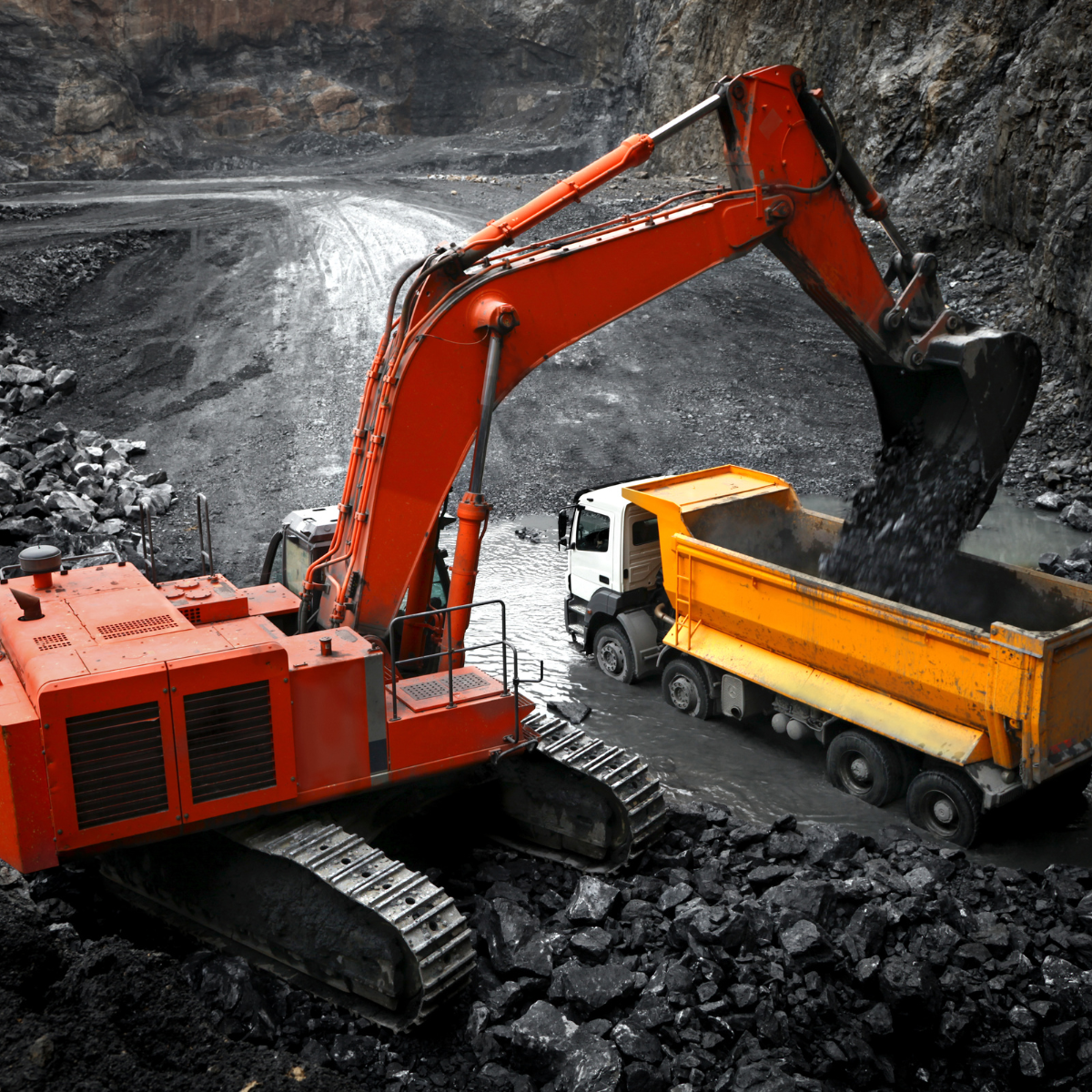
In recent years, mining companies, contractors, and site operators have begun closely evaluating electric and hybrid equipment—not just as an environmental choice, but as a financial and operational one. The question many decision-makers are asking is no longer whether electrification is technically possible, but whether it makes economic sense for their specific operation.
Understanding the Economic Drivers in Mining Operations
Before comparing diesel and electric equipment, it is important to understand what actually drives costs in mining.
Most mining operations are influenced by:
-
Energy consumption
-
Equipment uptime and reliability
-
Maintenance labor and spare parts
-
Infrastructure requirements
-
Workforce safety and productivity
-
Regulatory and compliance pressures
-
Long-term asset lifecycle costs
Electrification impacts nearly all of these areas. However, the impact is not always positive or uniform. The economics vary significantly depending on mine type, location, scale, and operating conditions.
Core Economic Benefits of Electrifying Mining Equipment
1. Lower Operating Energy Costs Over Time
Electric drivetrains are typically more energy-efficient than internal combustion engines. More of the input energy is converted into useful work, which can reduce energy consumption per operating hour.
For buyers evaluating long-term operations, this efficiency can translate into:
-
More predictable energy costs
-
Reduced exposure to fuel price volatility
-
Easier budgeting for large fleets
The benefit is strongest where electrical energy supply is stable and well-managed.
2. Reduced Maintenance Complexity
Electric equipment generally has fewer moving parts compared to diesel-powered machines. There are no oil changes, fewer filters, and less mechanical wear in key systems.
From a buyer’s perspective, this can mean:
-
Lower routine maintenance effort
-
Reduced downtime for servicing
-
Simplified spare parts inventory
Over the lifecycle of equipment, maintenance-related savings often become one of the most tangible economic advantages.
3. Improved Equipment Availability and Uptime
When maintenance intervals are longer and failures are less frequent, equipment availability can improve.
Higher uptime affects economics by:
-
Increasing production consistency
-
Reducing the need for backup equipment
-
Improving workforce scheduling efficiency
In high-capital mining environments, even small improvements in uptime can have noticeable financial impact.
4. Ventilation and Heat Load Savings in Underground Mines
For underground mining operations, electrification can significantly reduce ventilation requirements.
Electric equipment produces less heat and no exhaust emissions at the point of use. This can:
-
Reduce ventilation energy consumption
-
Lower infrastructure expansion needs
-
Improve working conditions for personnel
For buyers operating underground mines, ventilation savings are often one of the strongest economic arguments for electrification.
Limitations and Economic Challenges Buyers Must Consider
Electrification is not universally advantageous. Buyers must also account for its limitations.
1. Higher Initial Capital Investment
Electric mining equipment often requires:
-
Higher upfront equipment costs
-
Charging or power delivery infrastructure
-
Electrical system upgrades
For operations with limited capital flexibility, this initial investment can be a significant barrier.
2. Infrastructure Dependency
Electric equipment depends heavily on:
-
Reliable power supply
-
Charging logistics
-
Electrical system redundancy
In remote or developing regions, power reliability can become a major operational risk.
3. Operational Flexibility Constraints
Diesel equipment can be refueled quickly and relocated easily. Electric equipment may be constrained by:
-
Charging time
-
Cable management (for tethered equipment)
-
Battery capacity limitations
For highly mobile or short-duration projects, these constraints can reduce economic appeal.
4. Workforce Training and Skill Gaps
Electrification introduces new technical requirements:
-
Electrical diagnostics
-
Battery management
-
High-voltage safety protocols
Buyers must factor in training costs and potential learning curves when evaluating total cost of ownership.
Types and Categories of Electrified Mining Equipment
Electrification in mining is not a single solution. Buyers typically encounter several categories.
1. Battery-Electric Mining Equipment
These machines use onboard batteries and are fully mobile.
Common use cases:
-
Loaders
-
Haul trucks
-
Utility vehicles
Economic profile:
-
High flexibility
-
Charging infrastructure required
-
Best suited for defined routes or cycles
2. Tethered Electric Equipment
These machines are connected directly to a power source via cable.
Common use cases:
-
Drills
-
Shovels
-
Continuous miners
Economic profile:
-
Lower onboard energy storage costs
-
Limited mobility
-
High energy efficiency
3. Hybrid Mining Equipment
Hybrid systems combine electric drives with conventional engines.
Common use cases:
-
Transitional operations
-
Mines testing electrification incrementally
Economic profile:
-
Moderate efficiency gains
-
Reduced infrastructure changes
-
Useful for phased adoption strategies
Latest Trends and Innovations Shaping Mining Electrification
Modular Battery Systems
Swappable or modular batteries are being developed to reduce downtime and improve operational flexibility.
Digital Energy Management
Advanced monitoring systems help optimize charging schedules and reduce peak energy demand.
Standardization Efforts
Industry-wide moves toward standardized connectors and battery formats aim to reduce integration costs.
Automation Integration
Electric equipment integrates more easily with autonomous and semi-autonomous mining systems, supporting long-term productivity strategies.
Key Features Buyers Should Evaluate Carefully
When comparing electric mining equipment options, buyers should look beyond basic specifications.
Technical and Economic Evaluation Checklist
-
Energy efficiency per operating hour
-
Battery lifecycle and degradation behavior
-
Charging time and infrastructure requirements
-
Maintenance skill requirements
-
Equipment availability guarantees
-
Compatibility with existing systems
-
Vendor support and parts availability
Comparison Table: Diesel vs Electric Mining Equipment (Economic View)
| Factor | Diesel Equipment | Electric Equipment |
|---|---|---|
| Energy cost stability | Variable | More predictable |
| Maintenance frequency | Higher | Lower |
| Infrastructure needs | Fuel-based | Electrical |
| Ventilation impact | High | Low |
| Initial capital cost | Lower | Higher |
| Long-term operating cost | Higher | Potentially lower |
| Emissions at point of use | Yes | No |
How Buyers Can Choose the Right Electrification Strategy
Rather than asking “Should we electrify?”, buyers often get better results by asking:
-
Which equipment provides the highest operational hours?
-
Where are energy and ventilation costs highest?
-
Which assets have the longest remaining mine life?
-
How reliable is our power infrastructure?
-
What skills does our workforce already have?
Electrification often delivers the best economics when applied selectively rather than universally.
Practical Tips for Maximizing Value from Electrified Equipment
-
Start with pilot projects before full-scale rollout
-
Align charging schedules with production cycles
-
Invest early in workforce training
-
Monitor energy use data continuously
-
Plan infrastructure with future expansion in mind
-
Avoid over-sizing batteries beyond operational needs
Frequently Asked Questions
Is electrified mining equipment always cheaper in the long run?
Not always. It depends on energy costs, utilization rates, infrastructure readiness, and mine life.
Does electrification reduce productivity?
In well-designed systems, productivity is usually maintained or improved, but poor planning can create bottlenecks.
Is electrification suitable for surface mining?
It can be, but benefits are often stronger in underground operations due to ventilation savings.
How risky is battery degradation?
Battery performance declines over time, but predictable degradation can be managed through planning and monitoring.
Can electrification be phased in gradually?
Yes. Many operations adopt hybrid or mixed fleets to manage risk and capital exposure.
Conclusion: A Practical Economic Perspective
Electrifying mining equipment is neither a universal solution nor a passing trend. It is an economic decision that must be evaluated through the lens of operational reality, not assumptions.
For buyers, the real value of electrification lies in understanding where it aligns with their cost drivers, infrastructure capabilities, and long-term strategy. When applied thoughtfully, it can improve efficiency, reduce operational complexity, and enhance predictability. When applied without planning, it can introduce new constraints and risks.