A spa is a wellness-focused environment where people can explore relaxation, skincare, massage, and personal care treatments. Modern spas offer a wide range of options, from traditional massage therapies to advanced facial treatments and specialized skincare procedures.
The spa industry includes day spas, hotel spas, luxury wellness centers, medical spas, and home spa solutions. Each category serves different needs and uses different equipment, products, and treatment methods.
Understanding the available spa treatments, professional equipment, and skincare products can help individuals make informed decisions based on their preferences, budgets, and personal care goals.
Why Spa Services Are Important Today
Interest in wellness, skincare, and personal relaxation has increased demand for different spa experiences. People explore spa services for relaxation, personal grooming, skincare routines, and occasional wellness activities.
Several factors contribute to the importance of the spa industry:
Personal wellness: Massage and relaxation treatments provide dedicated time for personal care.
Skincare awareness: Facial treatments and professional skincare products support different skincare routines.
Technology: Modern spa equipment introduces new treatment methods and specialized procedures.
Lifestyle preferences: Day spas, hotel spas, and wellness centers offer different experiences.
Professional development: The industry creates demand for trained therapists, skincare professionals, and equipment specialists.
The growing variety of services makes it important to understand how different spa categories operate.
Different Types of Spas and Their Services
Spas are available in several formats. Their services, equipment, and professional requirements depend on the type of establishment.
1. Day Spa
A day spa provides treatments that visitors can enjoy without staying overnight. Common services include massages, facials, body scrubs, and other personal care treatments.
People researching a day spa near me often compare treatment menus, professional qualifications, facilities, and appointment availability.
2. Medical Spa
A medical spa combines selected skincare and aesthetic procedures with a clinical setting and appropriate medical supervision.
Depending on local regulations and the provider's qualifications, treatments may include:
Certain laser-based procedures
Professional skin rejuvenation treatments
Chemical peels
Selected aesthetic procedures
Specialized facial treatments
People researching medical spa treatments should understand the qualifications of the professionals performing procedures and the risks associated with each treatment.
3. Luxury Spa
A luxury spa generally provides a more extensive wellness environment. Facilities may include private treatment rooms, relaxation areas, saunas, hydrotherapy facilities, and specialized massage services.
The experience can vary depending on the property and its available facilities.
4. Hotel and Resort Spa
Hotel spas provide wellness and personal care facilities within hotels or resorts. Common options include massage rooms, facial treatments, body therapies, and relaxation facilities.
These establishments may offer individual treatments or combined spa packages.
5. Home Spa
A home spa allows individuals to create a personal relaxation environment using products and equipment designed for domestic use.
Common home spa products include:
Facial cleansing devices
Massage tools
Aromatherapy diffusers
Foot spas
Bath accessories
Skincare products
Users should follow product instructions and safety recommendations when using home spa equipment.
Popular Spa Treatments and Their Uses
Different spa treatments are designed for different personal care preferences. Understanding their basic features can help individuals select appropriate options.
Massage Therapy
Massage therapy involves techniques that work with muscles and soft tissues. Common options include Swedish massage, deep tissue massage, hot stone massage, and sports massage.
People searching for massage near me or deep tissue massage near me may compare therapist qualifications, treatment descriptions, session duration, and available facilities.
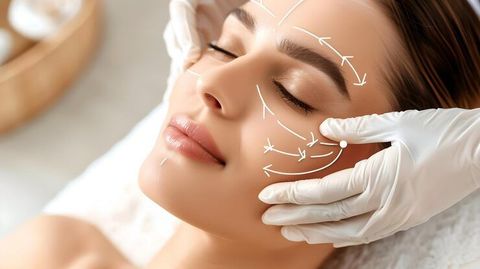
Facial Treatments
Facial treatments focus on cleansing, exfoliation, hydration, and other skincare activities.
Common options include:
Hydrating facials
Deep cleansing facials
Brightening facials
Exfoliating treatments
Customized skincare facials
A facial near me search often reflects interest in nearby providers and their available treatment options.
HydraFacial Treatments
HydraFacial is a branded facial treatment involving a multi-step skincare procedure using specialized equipment.
Individuals researching HydraFacial near me should check the provider's qualifications, treatment suitability, device information, and possible skin reactions.
Results and suitability can vary between individuals.
Deep Tissue Massage
Deep tissue massage uses slower strokes and more focused pressure than some traditional massage techniques.
It is important to discuss pressure preferences, existing injuries, and relevant health considerations with a qualified professional before treatment.
Body Scrubs
Body scrubs use exfoliating products to remove dead skin cells from the skin's surface.
Common ingredients include sugar, salt, and other exfoliating materials. The appropriate product depends on individual skin sensitivity and product instructions.
Spa Equipment and Products
Equipment and skincare products play an important role in modern spa operations. Different establishments use specialized tools depending on their treatment menus and professional requirements.
Professional Spa Equipment
Professional spa equipment can include:
Electric massage tables
Facial treatment machines
Steam equipment
Hydrotherapy systems
Professional skincare devices
Treatment room furniture
Hot towel cabinets
When evaluating professional spa equipment, businesses should consider safety certifications, maintenance requirements, staff training, manufacturer documentation, and compatibility with their intended services.
Spa Skincare Products
Skincare products are commonly used during facial treatments and personal care routines.
Examples include:
Facial cleansers
Moisturizers
Exfoliating products
Facial serums
Sunscreens
Body lotions
Facial masks
When selecting spa skincare products, consumers should review ingredients, intended skin types, usage instructions, and possible sensitivities.
Home Spa Products
Home spa products make it possible to create simple personal care routines outside professional establishments.
Popular categories include foot massage devices, facial cleansing tools, bath accessories, massage cushions, and aromatherapy equipment.
Before selecting a product, compare its specifications, operating instructions, warranty information, and safety features.
How to Choose the Right Spa
Choosing a suitable spa requires more than comparing the treatment menu. The establishment should provide clear information about its services, professionals, facilities, and safety practices.
Consider these factors:
Treatment requirements: Identify whether you are interested in massage, skincare, relaxation, or another service.
Professional qualifications: Check the training and credentials required for the selected treatment.
Equipment standards: Understand the equipment used and whether it is appropriate for the procedure.
Hygiene practices: Review cleaning procedures, treatment room conditions, and equipment maintenance.
Treatment information: Read the description, duration, expected process, and possible side effects.
Pricing transparency: Compare the complete treatment price and understand any additional charges.
Customer feedback: Consider recent reviews while recognizing that individual experiences may differ.
These factors can help people make more informed decisions when comparing spa services.
Factors Affecting Spa Treatment Pricing
Spa treatment prices vary according to location, treatment type, session duration, equipment, and professional qualifications.
For example, a basic facial treatment may involve different preparation and equipment requirements than a specialized aesthetic procedure.
Other factors include:
Type of establishment
Professional experience
Treatment complexity
Products and materials used
Facility features
Location and operating expenses
People comparing spa day packages or couples massage options should review exactly which treatments and facilities are included rather than relying only on package descriptions.
Recent Developments in the Spa Industry
Technology, consumer preferences, and wellness awareness continue to influence the spa industry.
Several developments are shaping the sector:
Technology-assisted skincare: Specialized facial devices and skin analysis tools are increasingly incorporated into professional skincare environments.
Personalized treatments: Some establishments use consultations and skincare assessments to select treatments based on individual preferences.
Home wellness products: Consumers continue to explore home massage devices, facial tools, and personal relaxation equipment.
Sustainable product choices: Interest in ingredient transparency, reusable materials, and environmentally conscious packaging is influencing product selection.
Digital appointment management: Online scheduling, electronic treatment records, and digital payment systems are becoming common operational tools.
These developments reflect changing expectations around convenience, personal care, and professional spa experiences.
Laws, Regulations, and Professional Standards in the United States
Spa regulations in the United States vary by state and by treatment category.
Some general considerations include:
Massage therapists may need state-specific licenses or registrations.
Estheticians generally need to meet state cosmetology or licensing requirements.
Medical spa procedures may require appropriately licensed medical professionals.
Businesses may need local permits, inspections, and applicable health and safety approvals.
Equipment manufacturers and operators should follow relevant product safety and operating requirements.
The FDA regulates certain medical devices and cosmetic products under applicable federal laws. State licensing boards determine many professional practice requirements.
Before offering or receiving a specialized treatment, it is important to understand the applicable state and local requirements.
Tools and Resources for Understanding Spa Services
Several resources can help consumers and spa operators understand the industry.
FDA: Information about regulated medical devices and cosmetic products.
State licensing boards: Professional licensing and qualification information.
Product manuals: Instructions for operating and maintaining spa equipment.
Ingredient databases: Information about skincare ingredients and product composition.
Appointment management software: Tools for scheduling and organizing spa operations.
Customer review platforms: General feedback about establishments and customer experiences.
Using reliable information can make treatment and equipment decisions easier.
Frequently Asked Questions
1. What are the most common types of spa services?
Common spa services include massage therapy, facial treatments, body scrubs, skincare procedures, relaxation activities, and selected wellness treatments.
2. What is the difference between a day spa and a medical spa?
A day spa generally focuses on relaxation and personal care services, while a medical spa offers selected aesthetic or medical-related procedures under applicable professional supervision and licensing requirements.
3. How can someone choose a suitable spa?
Consider treatment availability, professional qualifications, hygiene practices, equipment standards, customer feedback, and transparent pricing.
4. What equipment is commonly used in professional spas?
Common equipment includes massage tables, facial treatment devices, steam equipment, hydrotherapy systems, treatment room furniture, and professional skincare tools.
5. Are home spa products suitable for everyday use?
Some home spa products are designed for regular personal care routines. However, frequency of use depends on the product, manufacturer's instructions, and individual needs.
Conclusion
The spa industry includes a broad range of services, professional treatments, skincare products, and wellness equipment. From day spas and luxury facilities to medical spas and home spa solutions, each category serves different purposes.
Understanding treatment options, equipment requirements, professional qualifications, and safety considerations helps consumers make informed choices. As technology and personal care preferences continue to develop, the spa industry will likely continue expanding its range of products and experiences.